Copyright © 2022 NC Media Pvt. Ltd. All Rights Reserved.
Fact Check
The Other Battlefield: How Pro-Pak Accounts Weaponised AI-Altered Clips Against India In 2025
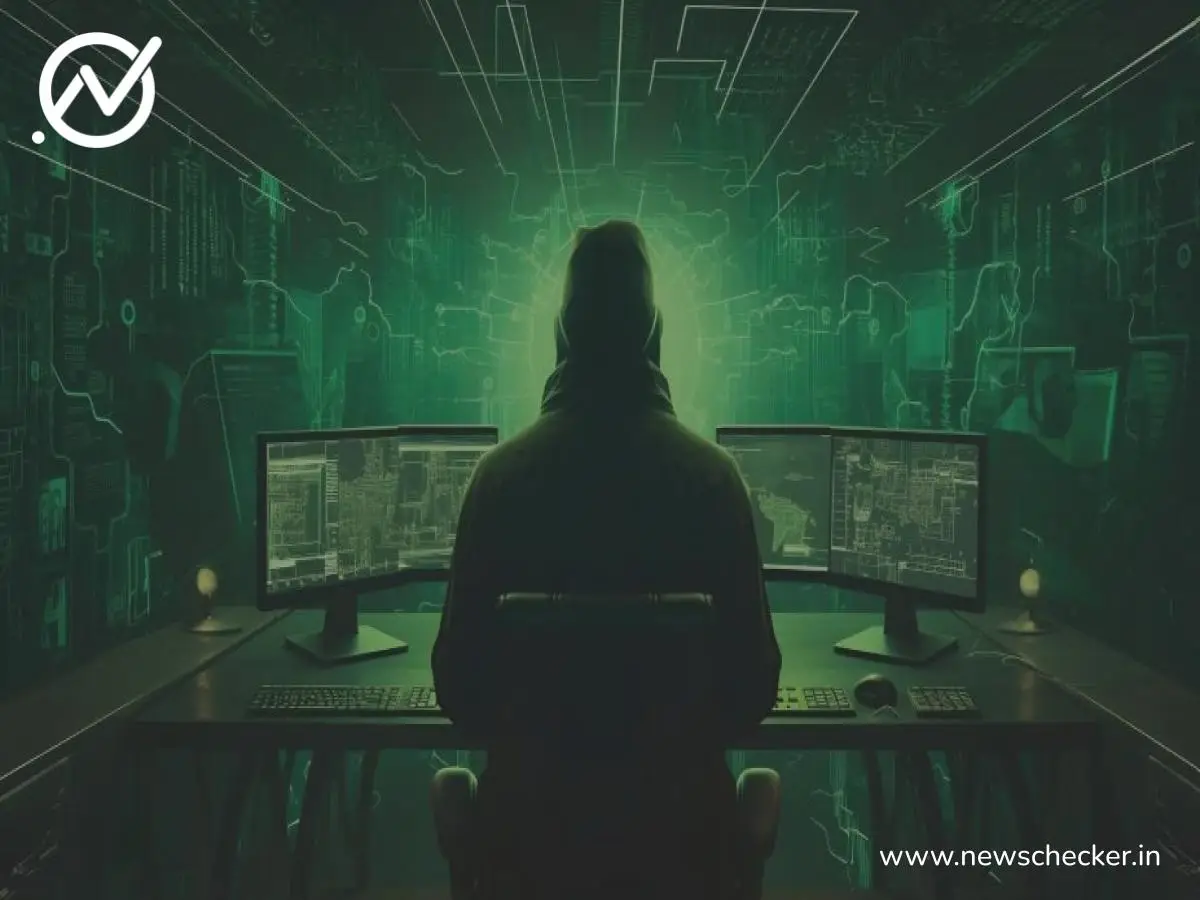
It is often said that truth is the first casualty in war, and in 2025, India witnessed just how quickly reality can be drowned out by noise following the conflict with Pakistan earlier in the year. While soldiers fought on the battlefront, a different kind of warfare played out elsewhere: the battle of perception.
But what began as a coordinated misinformation campaign targeting senior Indian defence officials after the military confrontation, ranging from alleged admission of false-flag operations, to recycled images and altered videos of “Indian military setbacks”, has since expanded into a broader online effort through the year, aimed at attacking the Indian establishment and amplifying an anti-India narrative, designed to project chaos, confusion and defeat.
A Pattern Of Manipulation: The Method At Work
Disinformation actors attempt to cash in on the news cycle by inserting fabricated pro-Pak and anti-India content to maximise reach and amplify confusion.
Since the military escalations ended on May 10, there have been at least 40 instances of fake news/misinformation targeting senior defence officials and prominent political leaders.
The modus operandi is consistent. Wait for a headline moment, and then drop a digitally altered version early so it spreads fast. Typically, a short (AI) fabricated audio, spanning anywhere between five and fifteen seconds, is carefully braided into an original announcement by prominent Indian personalities, making them appear to concede to the Pakistani win.
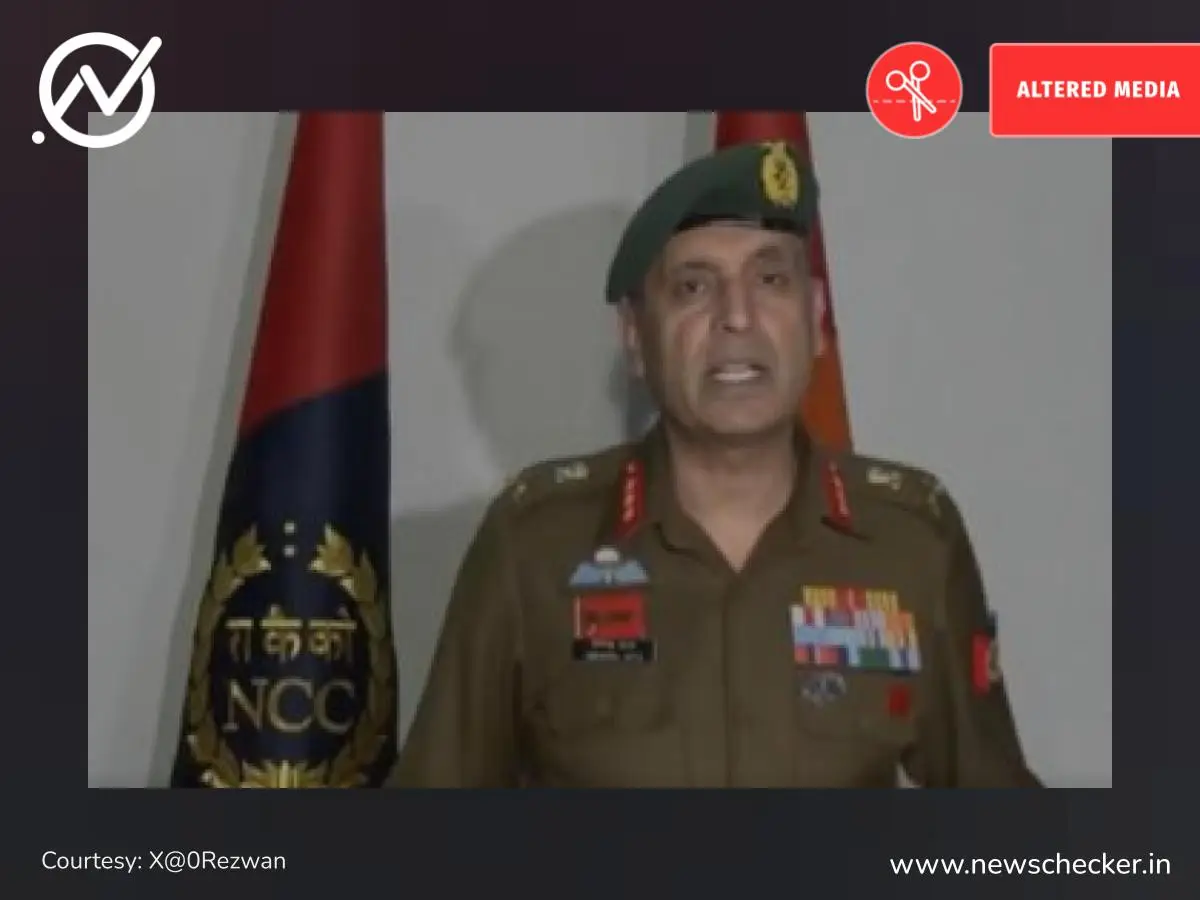
These manipulated clips usually surface within hours of a leader’s public address. For instance, the latest such case of an altered footage involving a speech by Congress MP and LoP Rahul Gandhi on December 9, 2025, just hours after his address during the ongoing winter session of the Parliament. Similarly, another manipulated video of Indian Army Chief General Upendra Dwivedi was circulated on November 27, soon after his speech at the Chanakya Defence Dialogue on the same day. Lately, Newschecker has also seen videos that were completely altered using AI.
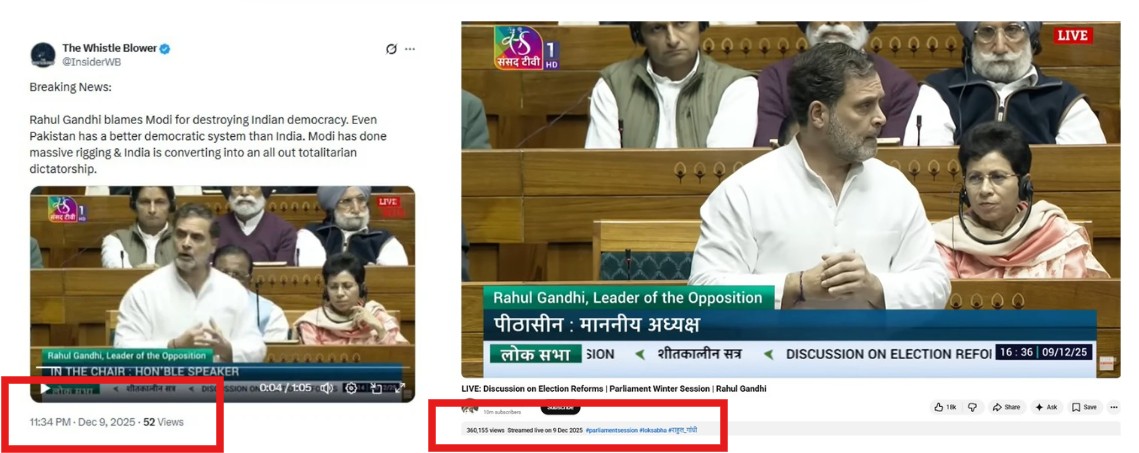
Newschecker reached out to Pamposh Raina, head of the Deepfakes Analysis Unit (DAU) of the TIA, who told us, “We have noticed that authentic video footage is taken and used with an audio track that has a short segment of AI-generated or synthetic audio along with original audio. These synthetic audio segments are so short that often A.I. detection tools fail to identify these segments ” She also pointed out that such videos usually have telltale inconsistencies, especially in the officials’ uniforms, such as the name tags and insignia are garbled. This is a digital footprint of the manipulation which could include addition of graphics or forced lip-sync.
Also Read: Free Motorbikes For Every Home? Deepfakes Of PM Modi Are Spinning A Costly Scam
That’s not all. While examining a manipulated video of the Indian Navy Chief, the DAU drew on inputs from experts at the Rochester Institute of Technology’s DeFake Project. They concluded that the clip looked more like “image-to-video (I2V)” where the creator may have pulled out a clean frame from the original footage, removed any graphics, and then reanimated the subject’s face and lips to match a new audio track using an avatar model.
Not Just Speeches
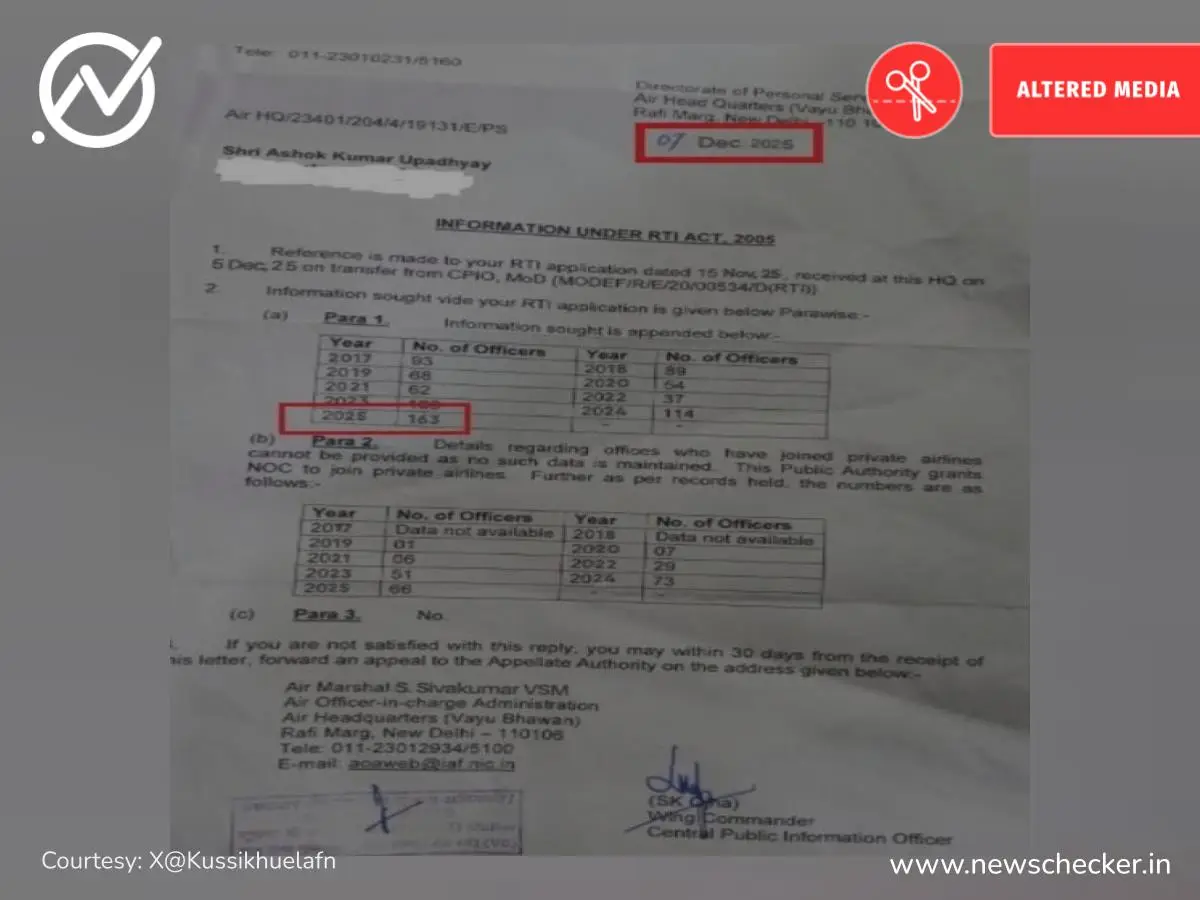
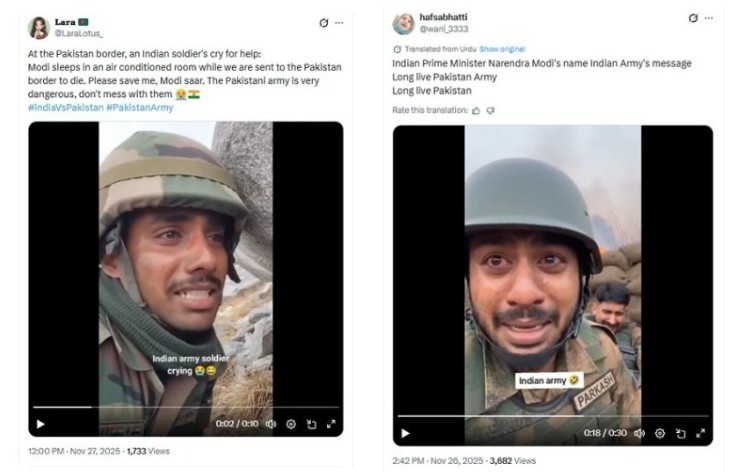
This online drive isn’t limited to manipulating speeches or announcements. We have also debunked multiple fake letters that were made to target the Indian defence capabilities. Recently, AI-generated videos claiming to show Indian soldiers calling the Pakistani Army “dangerous” and asking to be “sent home” also went viral.
What Are The Main Narratives?
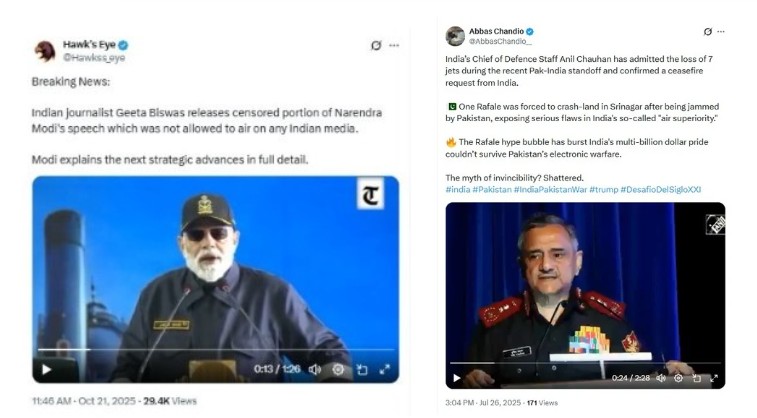
The targeted misinformation campaign has focussed on the country’s top leadership, from PM Narendra Modi to CDS General Anil Chauhan, along with other senior political leaders, heads of all three defence forces and renowned journalists.
By manipulating statements attributed to these high-credibility voices, the campaign seeks to reinforce a central claim that India suffered decisive losses in conflicts, acted unlawfully at home, and conceded ground to adversaries abroad.
Here are the core narratives pushed through these campaigns.
India Lost the Conflict And Military Confessions
- Fake claims of heavy troop casualties
- Doctored videos of senior defence chiefs “admitting” aircraft losses
- Fabricated damage to S-400 defence systems
Civil Unrest And Elections Being Weaponised
- Sonam Wangchuk arrest misrepresented through fake official admissions
- Doctored clips falsely claiming illegal detention and death in custody
- Fake claims of military exercises influencing Bihar elections
- Altered videos of Yogi Adityanath “threatening” voters
Communal And Institutional Undermining
- Fabricated statements alleging “saffronisation” of the armed forces
- Non-Hindu personnel were being reduced in the forces.
- After the tragic Tejas jet crash at the Dubai Airshow in November 2025, a fake clip of Air Chief Marshal AP Singh surfaced, showing him criticising the aircraft.
Foreign Policy And Territorial Falsehoods
- Doctored videos allege India paid Taliban fighters to attack Pakistan
- Fake admissions of land concessions to China in Ladakh and Arunachal Pradesh.
High-Profile Targets: PM Narendra Modi, EAM Jaishankar, CDS General Anil Chauhan, Army Chief General Upendra Dwivedi , Air Force Chief Air Chief Marshal AP Singh, and Navy Chief Admiral Dinesh Kumar Tripathi.
Uncovering Pakistan’s Digital Hand
An examination of activity patterns and publicly available details of the accounts spreading these manipulated videos shows clear links to Pakistan-based networks and organised propaganda activity.
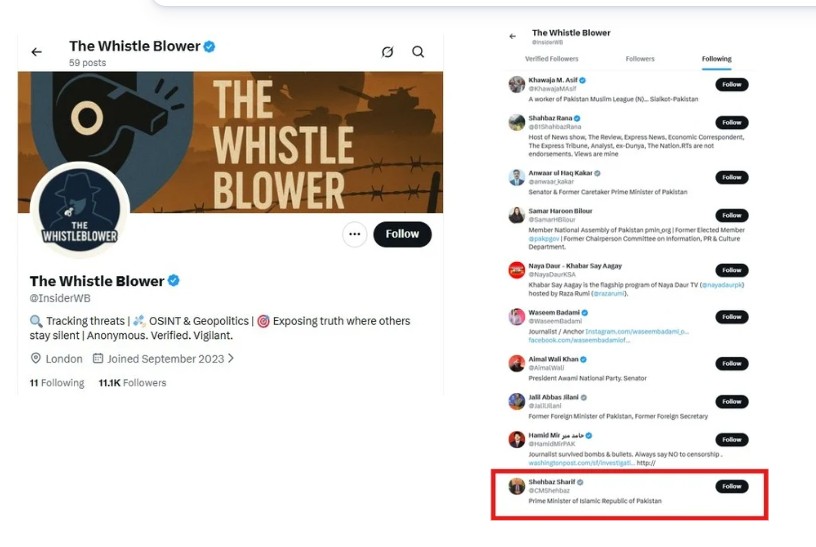
One prominent example is The Whistle Blower (@InsiderWB), which claims to be a “London-based” account dedicated to “exposing truth where others stay silent.” Despite this facade, the account, which has posted numerous manipulated videos targeting Indian military officials, follows only 11 accounts, most of which are Pakistan-based users, journalists, and political leaders, including Prime Minister Shehbaz Sharif.
The earliest post on its timeline, dated July 25, 2025, depicts an alleged Pakistani attack on India during the latest conflict. Interestingly, the account was created on X in September 2023.
The account consistently posts anti-India content, and its activity reveals a calculated pattern: it shares doctored videos of Indian officials, allows them to gain traction, and then deletes the posts once they’ve served their purpose.
The account is currently withheld in India, but continues to circulate its content outside, from where it is picked up and sent back into Indian social media through secondary accounts.
Another major account is Hawks Eye (@Hawkss_eye), which says it “tracks conflict with precision”. It has over 9,300 followers and claims to be based in the UAE. However, account details indicate it is actually run from Pakistan. Some of the misinformation shared by this account can be seen here and here.
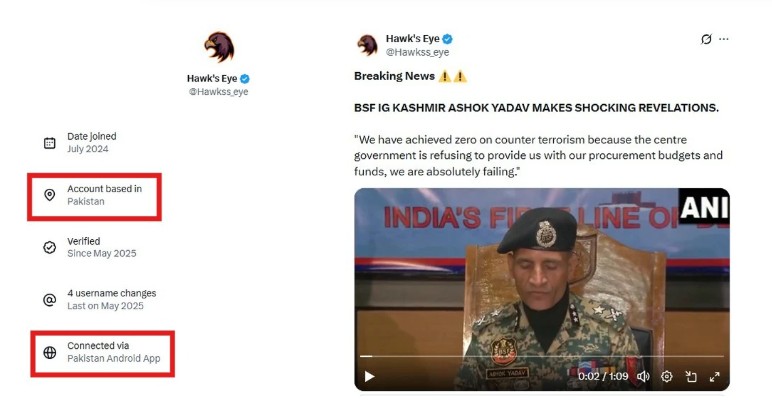
Similarly, the handle @abubakarqassam (Abubakar Qassam), who identifies himself as a journalist “who has covered conflict in KP for 15 years,” recently has repeatedly shared altered videos to push hard the anti-India narrative.
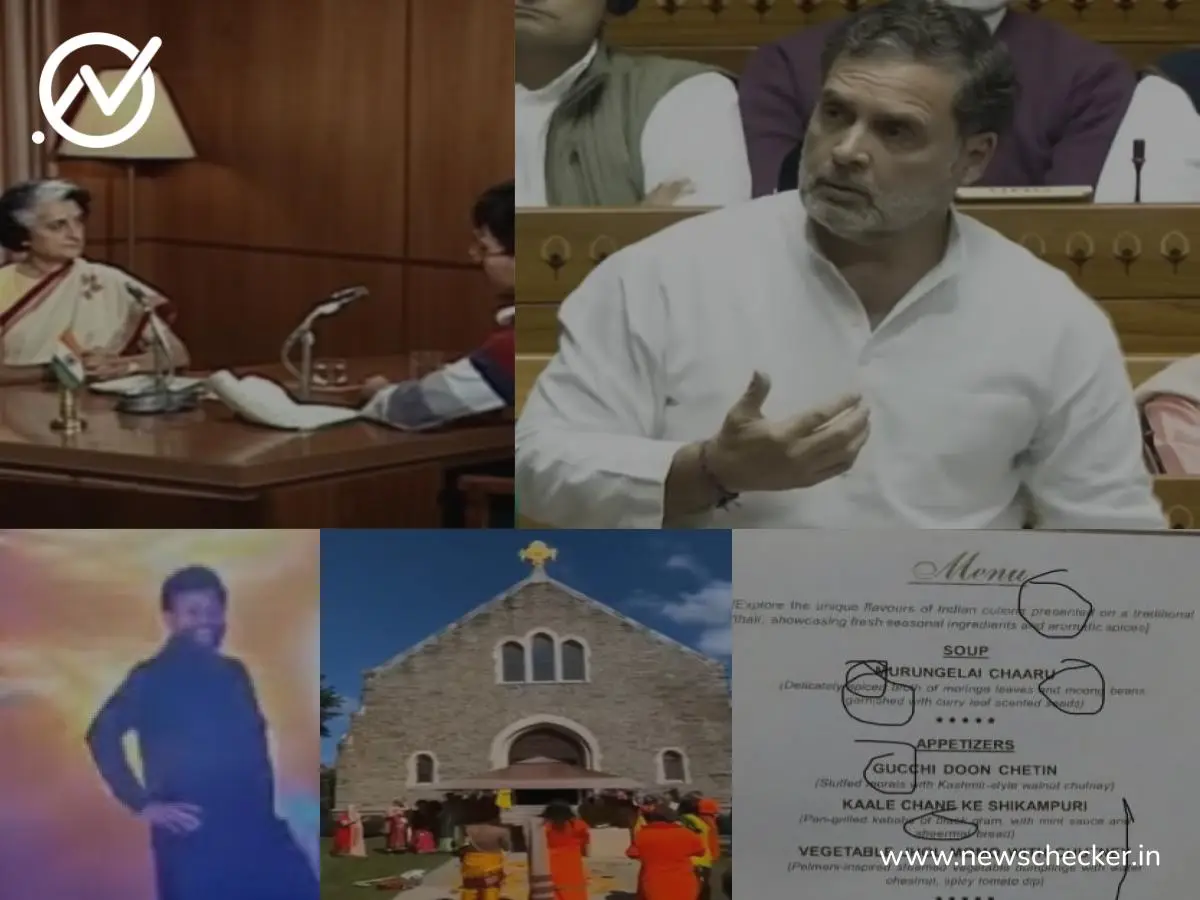
Also Read: Does Viral ‘Archival’ Clip Show Indira Gandhi Remaining Silent When Asked About The Emergency?
Several other Pakistan-based accounts routinely amplify these videos by sharing and cross posting across platforms, revealing a complex web of disinformation actors operating with intent. Even when one account is withheld in India, new ones appear, re-uploading the same doctored clips and pushing them into the Indian social media spaces.
Leadership Sets The Tone
But the disinformation campaign seems to trickle down from the top. Pakistan’s DG ISPR (Inter-Services Public Relations, the communication wing of the Pakistan Armed Forces) Ahmed Sharif Chaudhry had, too, had shared edited videos of Indian media houses as well as defence spokespersons in an attempt to promote a pro-Pakistan agenda during the May 2025 conflict.
In a press briefing on May 11, 2025, Chaudhry also aired a series of news clips, including those by Indian outlets Aaj Tak and India TV, to glorify Pakistan’s alleged “benefiting reply” to India. Newschecker investigated both the footage and found that it had been clipped misleadingly.
Anti-India Malice Online: An Ongoing War
The misinformation trend that started following Operation Sindoor in May 2025 continues to attempt influencing global online conversations to portray India in a negative light. What is unfolding online cannot be treated as mere noise, but as a strategic instrument of modern warfare. While the Indian establishment has responded to these threats by blocking many of these handles, the persistence and evolution of these campaigns highlight the challenge of safeguarding perception and strategic narratives in the digital age.
Air Force Chief Air Chief Marshal AP SinghArmy Chief General Upendra DwivediCDS General Anil ChauhanIndia-Pakistan ClashMisinformationNavy Chief Admiral Dinesh Kumar TripathiOperation SindoorPM Narendra ModiRahul Gandhi

If you would like us to fact check a claim, give feedback or lodge a complaint WhatsApp us at +91-9999499044 or email us at checkthis@newschecker.in. You can also visit the Contact Us page and fill the form.